When it comes to improving your health and modern wellness, not all workouts are created equal. One of the most common questions people ask is whether high impact training or low impact training is better. The truth? Both have powerful benefits—it just depends on your goals, lifestyle, and body.
Let’s break it down so you can choose what works best for you.
What Is High Impact Training?
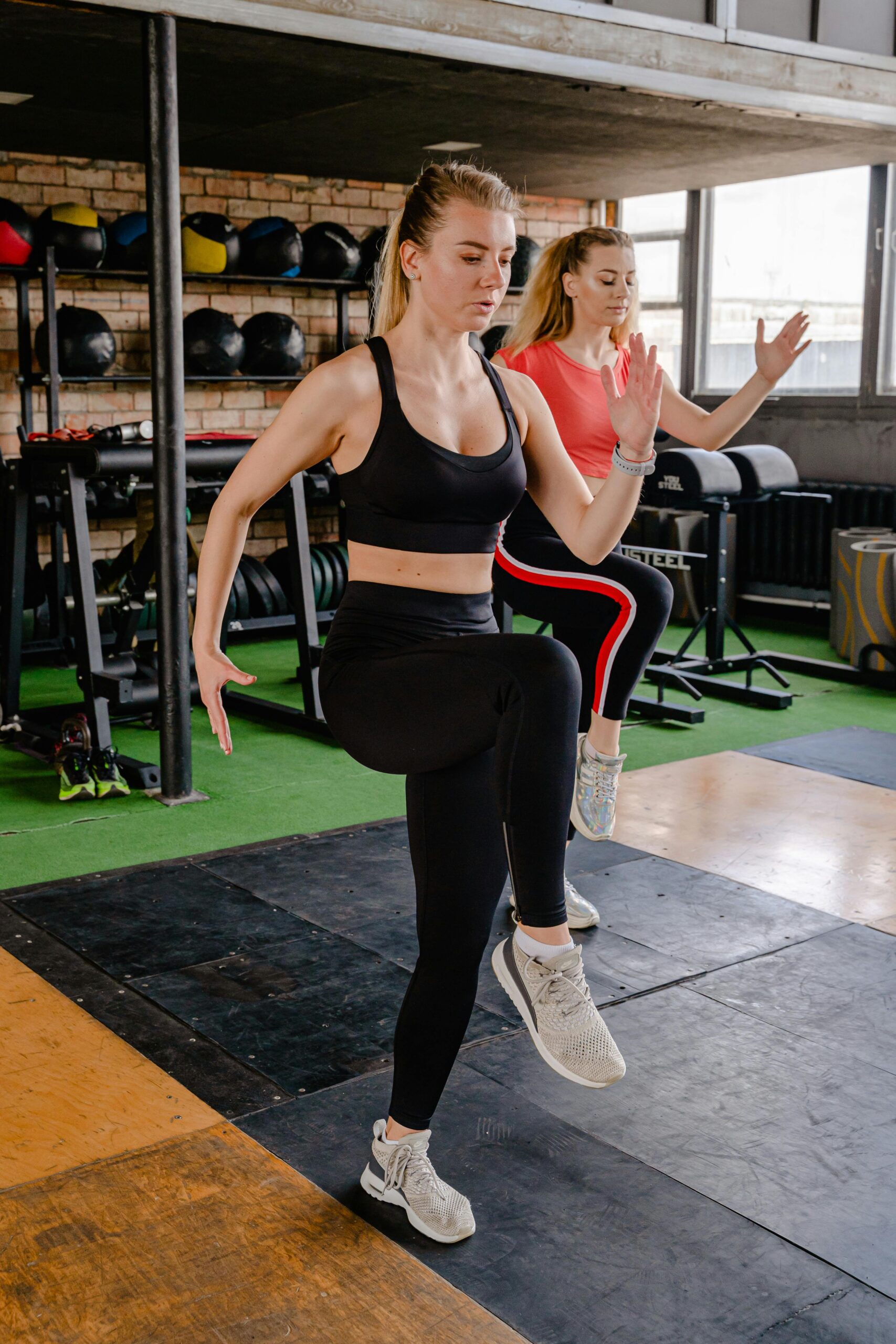
High impact training involves movements where both feet leave the ground at the same time or where there is a strong force placed on your joints.
Examples include:
Running or sprinting
Jumping (jump squats, box jumps)
High-intensity interval training (HIIT)
Plyometrics
Key Benefits of High Impact Training
Burns more calories quickly – Great for fat loss and efficiency
Improves bone density – Helps strengthen bones and reduce osteoporosis risk
Boosts cardiovascular fitness – Gets your heart rate up fast
Builds power and athletic performance
Potential Drawbacks
Can be tough on joints (knees, ankles, hips)
Higher risk of injury if form or recovery is poor
Not ideal for beginners or those recovering from injury
What Is Low Impact Training?
Low impact training keeps at least one foot on the ground at all times, minimizing stress on the joints while still delivering effective results.
Examples include:
Walking
Cycling
Rowing
Elliptical training
Yoga and Pilates
Key Benefits of Low Impact Training
Gentle on joints – Ideal for all ages and fitness levels
Supports recovery and consistency – Easier to maintain long-term
Improves cardiovascular health without excessive strain
Reduces risk of injury
Potential Drawbacks
May burn fewer calories in the same time frame
Less effective for building explosive strength or power
Which One Is Better for You?
The answer depends on your personal goals and current fitness level.
Choose High Impact Training If You:
Want fast fat loss results
Enjoy intense, fast-paced workouts
Are training for sports or performance
Have healthy joints and no injury concerns
Choose Low Impact Training If You:
Are new to fitness
Have joint pain or past injuries
Want a sustainable, long-term routine
Prefer lower stress workouts you can do daily
The Best Approach: Balance Both
For most people, the ideal routine isn’t choosing one over the other—it’s combining both.
A balanced wellness routine might look like:
2–3 days of low impact workouts (walking, cycling, rowing)
1–2 days of high impact training (HIIT or jumping exercises)
Rest or recovery days to support your body
This combination helps you:
Maximize results
Reduce injury risk
Stay consistent long-term
Final Thoughts
Modern wellness isn’t about pushing yourself to extremes—it’s about finding what works for your body and sticking with it. High impact training can deliver fast, powerful results, while low impact training supports longevity, recovery, and consistency.
The real key? Keep showing up. Whether you’re walking, jumping, cycling, or stretching—every step you take moves you closer to a healthier, stronger you.
startmodernwellness
Newsletter
Signup our newsletter to get update information, news, insight or promotions.