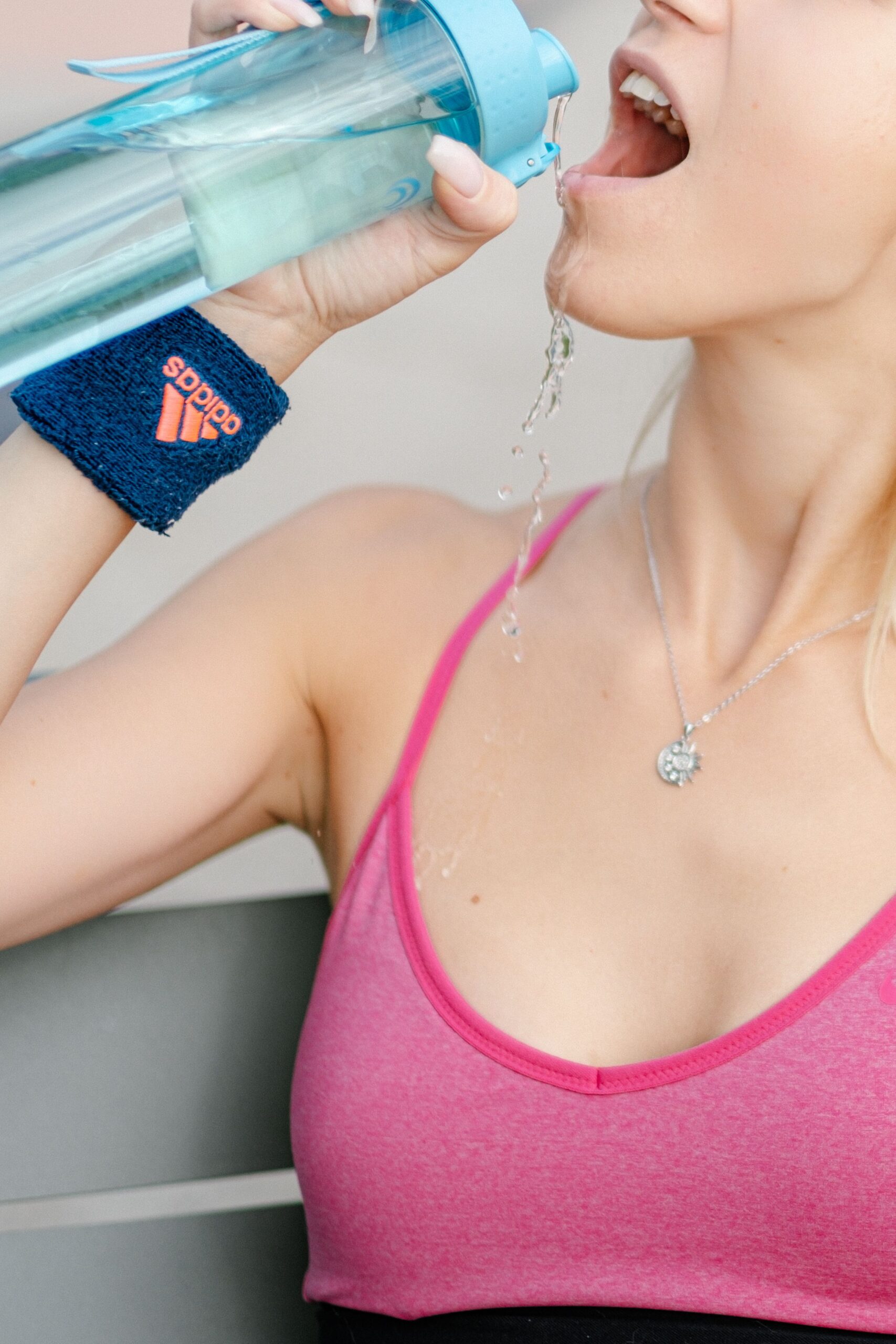
As temperatures soar during the summer months, staying hydrated becomes one of the most important things you can do for your health. Heatwaves place extra stress on your body, causing you to lose fluids much faster through sweat. Whether you’re exercising, working outdoors, enjoying time at the beach, or simply going about your daily routine, proper hydration helps your body function efficiently and protects you from heat-related illnesses.
Many people don’t realize they’re becoming dehydrated until symptoms begin to appear. By that point, your body is already working harder than it should. Making hydration a daily priority can help you stay energized, focused, and healthy throughout even the hottest days of the year.
Why Hydration Matters
Water makes up approximately 60% of the human body and plays a vital role in nearly every bodily function. It helps:
- Regulate body temperature
- Transport nutrients and oxygen to cells
- Lubricate joints
- Aid digestion
- Support kidney function
- Remove waste products
- Maintain healthy skin
- Improve physical performance
- Support brain function and concentration
During a heatwave, your body sweats more in an effort to cool itself. While sweating is essential for regulating body temperature, it also causes you to lose water and important electrolytes. If these fluids aren’t replaced, dehydration can develop quickly.
Signs You’re Becoming Dehydrated
Learning to recognize the early warning signs of dehydration can help prevent more serious health issues.
Common symptoms include:
- Feeling thirsty
- Dry mouth or lips
- Dark yellow urine
- Headaches
- Fatigue
- Dizziness or lightheadedness
- Muscle cramps
- Reduced concentration
- Increased heart rate
More severe dehydration may cause confusion, rapid breathing, fainting, or heat exhaustion. If you or someone else experiences these symptoms, move to a cool location immediately, begin rehydrating, and seek medical attention if symptoms worsen or don’t improve.
Heatwaves Increase Your Risk
Extreme temperatures place additional strain on your cardiovascular system. Your heart works harder to circulate blood and regulate body temperature while your sweat glands continue releasing moisture to keep you cool.
Certain groups are especially vulnerable during periods of extreme heat:
- Older adults
- Young children
- Athletes
- Outdoor workers
- Individuals with chronic medical conditions
- Anyone taking medications that affect hydration
Even healthy adults can become dehydrated surprisingly quickly if they aren’t drinking enough fluids throughout the day.
Tips to Stay Properly Hydrated
The good news is that staying hydrated doesn’t have to be difficult. A few simple habits can make a significant difference.
Drink Water Regularly
Don’t wait until you’re thirsty to start drinking. Thirst is often a sign that dehydration has already begun. Instead, sip water consistently throughout the day.
Carry a Reusable Water Bottle
Keeping a water bottle nearby serves as a constant reminder to drink more frequently. Larger bottles with time markers can also help you track your daily intake.
Eat Water-Rich Foods
Many fruits and vegetables contain high amounts of water and can contribute to your hydration goals.
Excellent choices include:
- Watermelon
- Strawberries
- Cucumbers
- Oranges
- Celery
- Tomatoes
- Lettuce
- Pineapple
These foods also provide vitamins, minerals, and antioxidants that support overall health.
Replace Electrolytes When Needed
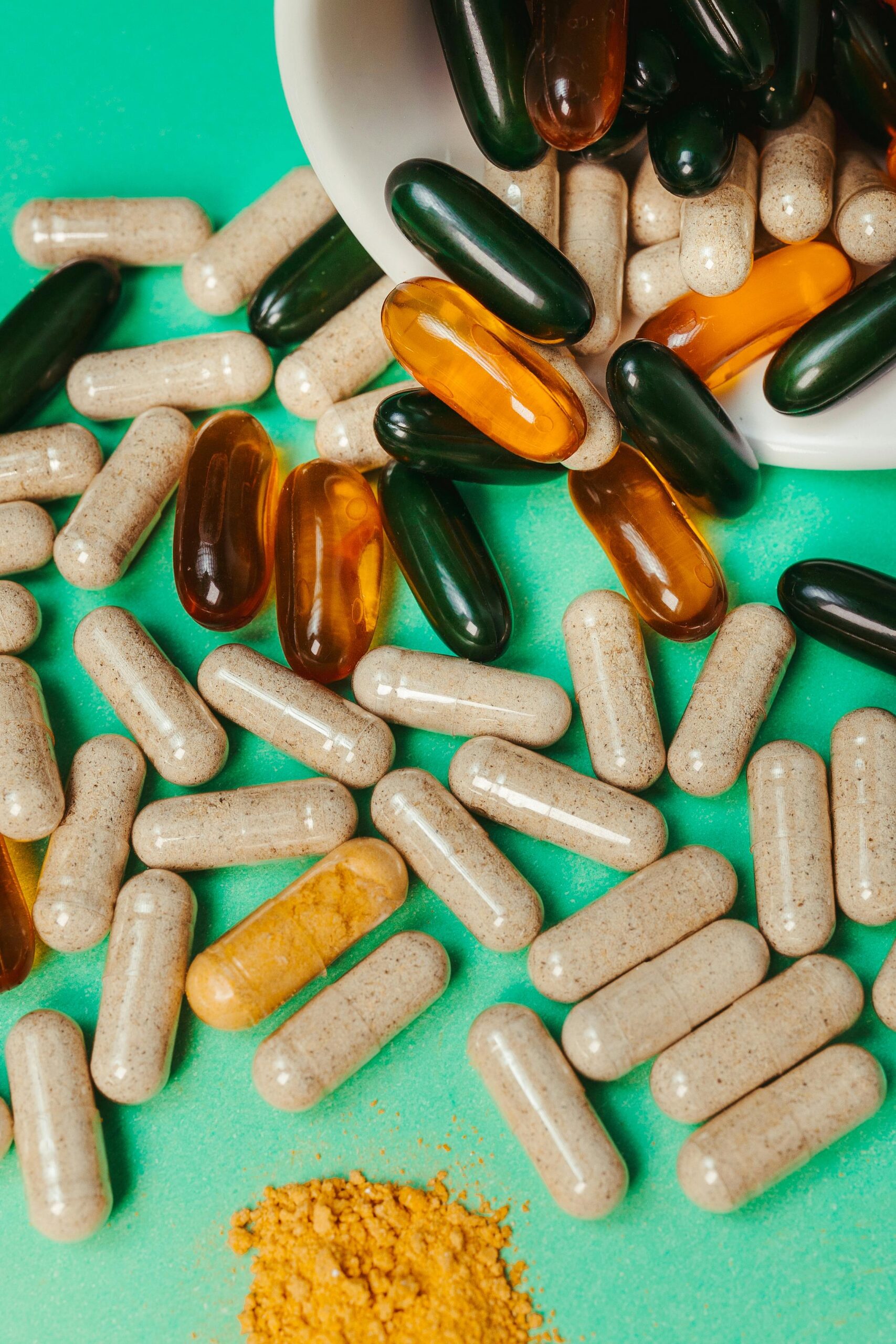
If you’ve been exercising vigorously or spending extended periods outdoors, you may benefit from replacing electrolytes lost through sweat. Low-sugar electrolyte drinks or electrolyte tablets can help restore sodium and potassium without excessive added sugars.
Limit Dehydrating Drinks
Alcohol and excessive caffeine may contribute to fluid loss in some people. If you enjoy these beverages, balance them by drinking extra water throughout the day.
Stay Cool
Hydration works best alongside other heat safety measures:
- Wear lightweight, breathable clothing.
- Seek shade whenever possible.
- Stay indoors during the hottest part of the day.
- Use fans or air conditioning.
- Take breaks if working or exercising outside.
Hydration and Exercise
Physical activity remains an important part of a healthy lifestyle, but it’s essential to adjust your routine during extreme heat.
Consider exercising:
- Early in the morning
- Later in the evening
- Indoors in an air-conditioned environment
Drink water before, during, and after your workout. If you’re exercising for more than an hour or sweating heavily, consider replacing electrolytes as well.
Listening to your body is crucial. If you begin feeling dizzy, nauseous, unusually tired, or overheated, stop exercising immediately and move to a cooler place.
Make Hydration a Daily Habit
Building healthy hydration habits doesn’t just help during a heatwave—it supports your overall wellness year-round. Proper hydration can improve energy levels, support healthy digestion, enhance mental focus, and even aid recovery after exercise.
Simple ways to drink more water include:
- Start each morning with a glass of water.
- Drink a glass before every meal.
- Keep water within easy reach at work or in the car.
- Add lemon, lime, cucumber, or fresh berries for natural flavor.
- Set reminders on your phone or smartwatch.
Small, consistent habits often lead to lasting improvements in your overall health.
Final Thoughts
Heatwaves remind us just how essential water is to our wellbeing. Staying hydrated is one of the simplest yet most effective ways to protect yourself from the effects of extreme temperatures. By drinking water consistently, eating hydrating foods, replacing lost electrolytes when necessary, and paying attention to your body’s signals, you can safely enjoy the summer while reducing your risk of dehydration and heat-related illness.
No matter your age or activity level, hydration should be a daily priority. This summer, make your health a priority by keeping a water bottle close by, encouraging family members to drink plenty of fluids, and taking extra precautions whenever temperatures climb.
Your body works hard to keep you cool—help it by giving it the water it needs.